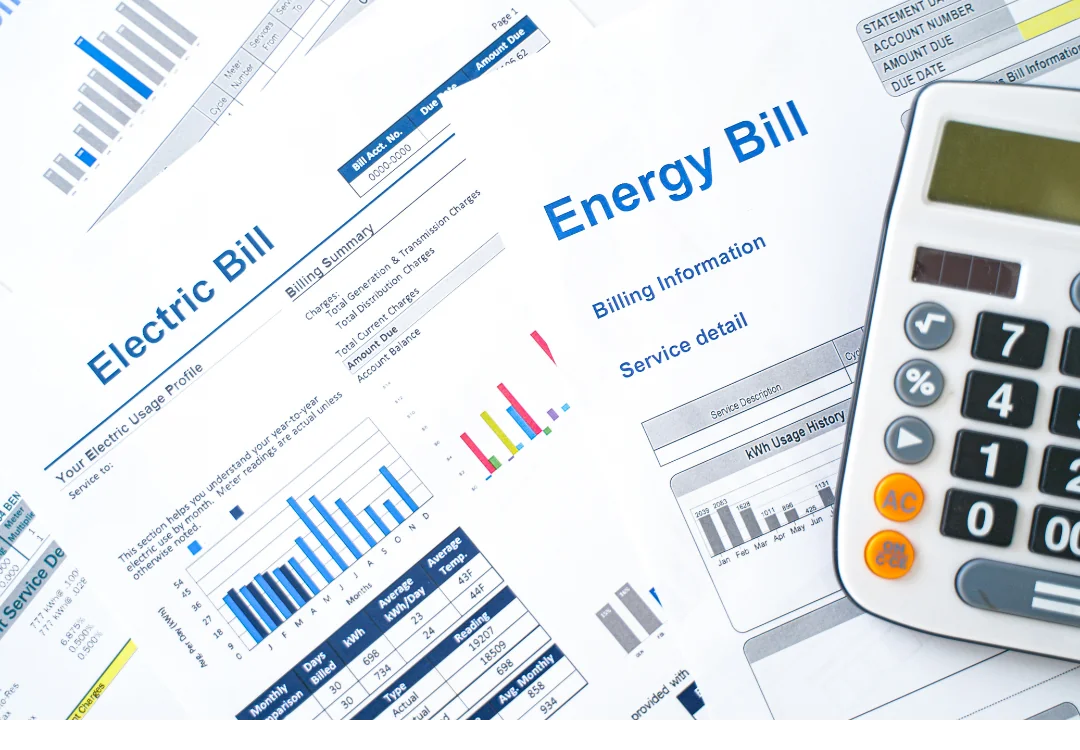
It may still be winter, but summer is just around the corner. Before you know it, things will start heating up and your air conditioner will be running full-blast. Following this, of course, will be the sky-high electrical bills that every homeowner dreads. But what if you did something different this year? What if you took a moment to learn what you need to know about summertime energy conservation before summer actually arrived?

Starting some of your conservation efforts now can help you reduce your electrical bills before they get out of control. You won’t have to dread that very first summer electrical bill and you won’t have to run around in the heat the first few weeks of summer trying to prepare your home for the remainder of the season. Find out how you can start reducing your summer electricity bills tomorrow by preparing for it today with these simple tips.

Think Differently About the Way You Eat

Do you do a lot of cooking on your stovetop or in your oven? If so, start exploring some other cooking methods now. Microwave cooking uses two-thirds less energy than using your stove. Cold meals that can be thrown together without any cooking preparation use no energy at all. Outdoor grilling can also save you tremendously on your electric bill during the summer.

Service Your Air Conditioner

Change your filter, clean the coils, and do some general maintenance on your air conditioner before you have to start using it. Be a frugal homeowner and have your air conditioner serviced now, while business is slow for air conditioning service professionals. Air conditioning service costs go up once the temperature starts rising so take advantage of the lower rates now. Also, consider changing out your old dial thermostat for a programmable thermostat. This can help you save a tremendous amount of money on your electric bills during the summer – up to $100 a year.

Share

Eco-conscious homeowners have been working to find ways to go green at home for years now, but many homeowners don’t live an eco-friendly lifestyle. Many are just now learning what it means to go green or are making small efforts toward a bigger, long-term change. Wherever you fall on the “Green Scale,” there are plenty of simple, cost-effective tips you can use to go green with your electricity.

Here are some easy green electricity tips you can try right at home:

Use solar chargers—Did you know that most of your electronics and toys can be charged with solar power chargers? Not only do they offer an efficient, green option for charging all of your electronics, but they’re also more convenient. When you use solar power chargers, there is no more reaching for a plug! You can find solar chargers for almost everything, including your laptop, cell phone, and camera.

Pay attention to your appliances—If you don’t already use Energy Star rated appliances, start thinking about making upgrades. Most new appliances already come with the Energy Star label, and you can even find electronics, such as computers and radios, with Energy Star ratings as well. Your appliances and electronics are huge energy suckers, so if you want to go green in your home on a regular basis, start by paying attention to those.

Reduce your overall energy use—Use more sunlight to warm the house and use the thermostat less. Dry your clothes on a line instead of using the dryer all the time. Use “smart” power strips that can be shut down at night. These are all simple, effective ways to use less power and see noticeable drops on your monthly electric bills.

Finally, don’t forget to check out green power options through your local electric companies. Many utility companies offer a green power option that uses renewable energy.

Share

If you have children at home, chances are you have already drilled basic electrical safety information into them at a young age. Additionally, they have most likely learned a lot about electrical safety at school. By now, they probably know the typical dos and don’ts, but hearing about electrical safety and practicing it are two totally different things. And as most parents know, just because a child learns electrical safety doesn’t mean they will recall it and put it into practice on a daily basis. For many children, once something is out of sight, it’s out of mind!

However, electrical safety practices are incredibly important, especially when it comes to your children. Here are some fun ways to incorporate electrical safety knowledge into your child’s regular routine:

Coloring books—There are plenty of coloring books and art projects out there that have electrical safety themes. Search on-line specialty stores and toy stores for starters, and consider making your own. Many coloring books have pictures that teach kids to stay away from damaged wires, to keep appliances away from water, and so on.

Family games—Another way you can teach your kids electrical safety on a regular basis to to invent games to play around the house. You can play tag or hide and seek and create rules to learn from. For example, make a light switch “base,” and when your child reaches base, have them repeat tips back to you that relate to electricity in some way.

Entertaining videos—Videos that teach children basic electrical safety are another easy, fun way to keep the knowledge fresh in your child’s mind. Play these videos early in the morning, just before nap time, or on the weekend during family time. Many of the videos you’ll find will reinforce what your children are already learning about it in school, so they make excellent supplemental tools.

Share

The holidays have come and gone, but that doesn’t mean you should stop worrying about electrical safety around the home. Even though all of those lights, candles, and decorations that pose fire and electrical safety hazards are put away now, there is still plenty to be aware of when it comes to keeping your home and family safe from electrical hazards.

Put these electrical safety tips into practice this year to keep your home and loved ones safe all year long:

Have a professional electrical maintenance checkup—When was the last time you had your professional electrician visit for an electrical safety inspection? Bringing in your electrician to inspect your home for necessary repairs or potential electrical hazards is an important part of taking a proactive approach to electrical safety around the home. It never hurts to have an extra pair of eyes to make sure everything is in good working condition.

Install new arc fault circuit interrupters (AFCIs) and ground fault circuit interrupters (GFCIs)—Installing these will help prevent electrical fire hazards throughout the home and prevent shock. They are designed to monitor the balance of electric current flow, so that if there is an imbalance, they can trip the circuit.

Unplug small appliances after using them and don’t plug too many appliances into one outlet—This is one of the most common electrical safety tips homeowners should practice but it’s also the easiest to forget or bypass because we use our appliances on an everyday basis. However, unplugging small appliances such as your coffee pot and toaster can help prevent electrical hazards around the home. Also, be mindful not to overload your outlets with too many plugs. This is especially important in the kitchen and bathroom.

Share

The New Year makes you think about all of the things you want to do differently, right? Even if you don’t make a New Year resolution of some sort, it doesn’t hurt to consider areas in your life you’d like to improve. For many people, an important area of improvement is finances. Homeowners try all sorts of things to save money on bills each month, year after year. So, in 2012, how about learning how to save money on your electric bill?

As the Green movement continues to evolve and create new opportunities to use less energy, you have more options today than ever before to cut back on your energy bill. Her are just a few different ways you can save money on your electricity bill in the coming year:

Use a programmable thermostat—It’s all too easy to forget to adjust the temperature in your home, especially during the times of the year when outdoor temps tend to fluctuate and you are opening and closing the windows in between using your air conditioner. But running your air makes a huge difference in your electric bill, and a programmable thermostat can be a big help if you want to save money on your monthly energy bill.

Install ceiling fans—Ceiling fans give you the opportunity to use your air conditioning less frequently, and they are a green, efficient way to regulate and cool the rooms in your home. Unlike air conditioning, which cools the entire home, ceiling fans offer you the chance to cool only certain rooms in the house instead of wasting unnecessary electricity.

Upgrade your windows—This requires a significant investment, but it’s a great way to save money on your electric bill. Double-paned windows and other window upgrade options can impact how efficiently your home heats up or cools down. Air leakage and insulation problems can be improved with window upgrades, so don’t rule out this tip for saving money on electricity in 2012.

Share

It’s hard to believe, but 2012 is almost here. It’s time for New Year’s resolutions and a fresh start. So why not have a fresh start with your home’s energy consumption? Saving energy not only helps lower your electric bill, but it helps the planet, too. There are tons of ways to start conserving energy in and around the home, but here are some simple ways to start making gradual changes as the New Year approaches.

Have a professional conduct an energy audit. One of the best ways to start fresh with your energy consumption in 2012 is to take inventory. Take a look at your electric bill and bring in a professional to conduct an energy audit to see where you are using the most energy and where you can cut back.

Change how you heat/cool your home. How you use your air conditioner and how you heat your home makes a big difference in your energy consumption and in the numbers you see on your electric bill each month. Keeping your thermostat in the mid-70s and keeping your shades drawn in rooms you are not using are good ways to save energy. The less time is takes to cool a room (one that has the blinds open and the sun shining in on, for example), the less energy your air conditioner has to use to generate and distribute the cool air.

Replace your light bulbs. If you haven’t already, make it a point to go around your home and replace every light bulb you can with more energy efficient light bulb options. For example, ENERGY STAR light bulbs use around 75% less energy than the typical incandescent bulbs, and they’re also safer, producing around 75% less heat than traditional bulbs.

Share

Think you’re doing everything right with the electricity in your home? Think your electric bills are as good as they’re going to get? When was the last time you did inventory and assessed how you use the electricity and your home and the trends or patterns on your power bills? Sometimes, conducting an energy audit on your home and evaluating how you use your electricity can make a big difference in the safety of your residence as well as in the numbers you see in the “Due” section on your power bill each month.

Here are some common electricity habits that might be wreaking havoc on your energy consumption and electricity bill:

1. Leaving lights, electronics, and appliances on. You’ve probably grown up with parents hollering at you, saying, “Turn the lights off when you leave the room.” This is because lights and electronics left on are energy drainers and they just as quickly suck up your dollars, too. Conserve energy, reduce your power bill, and prevent the possibility of electrical fires from overheating problems by turning those switches off when you’re not using them.

2. Cranking up the air conditioning in the summer time. While there’s nothing wrong with increasing the temperature on the thermostat, doing so when all of the blinds and curtains are drawn or when the air conditioner is on are surefire ways to see your bills skyrocket. Close the blinds in rooms you aren’t using to conserve energy and cool the house faster.

3. Leaving chargers plugged in when you aren’t using them. This is a very small habit, but it makes a difference. Just because you aren’t using it doesn’t mean it’s not using energy. This is the same case as leaving your computers on. It is better to turn your computers to sleep mode or to unplug them completely when you are not using them.

Share

With the do-it-yourself movement, more and more homeowners are realizing that there are many home repairs they can do on their own. Everything from window replacement to floor replacement has been taken on with zeal by the average individual. Yet, there are still some things that no homeowner should attempt to upgrade or repair, and electricity is one of them.

If you have conducted a DIY project lately, you probably know that things don’t always go as planned. Something always seems to go wrong and compromises are sometimes made to accommodate for those mishaps, but there is no room for mishaps when it comes to electricity.

If not installed correctly, electrical wiring can be extremely dangerous. Electrical fires happen every day. Many lives are lost each year to this very preventable problem. If you don’t know what you’re doing when it comes to electricity, it is best to leave the upgrade or repair to a professional.

Building codes should be considered as well when deciding whether or not to do your own electrical upgrade or repair. While they may seem a nuisance, building codes are in place to protect your home and your family. Keeping in compliance with building codes for complex things like electricity can be difficult for the novice. A professional electrician is required to stay updated on building codes. They can help to ensure that your home stays in compliance with National Electrical Code.

If you are still set on doing your own electrical upgrade or repair, you should highly consider taking a class on residential electricity. Vocational classes on residential electricity can help to ensure that you know what you are doing before you tackle the dangerous but essential task of upgrading or repairing your electrical wiring.

Share

It’s hard to believe it’s already December, and you know what that means! Wintertime is almost here. Along with the cozy, chilly winter season comes potential electrical safety hazards in and around the home, and we want to share them with you so you can be proactive and prevent any injuries or electrical accidents before they happen. Electrical safety hazards can be especially plentiful during the wintertime because many homeowners decorate, which means more electrical cords, open flames, and potential fire hazards around the house.

Here are some common wintertime electrical safety hazards and what you can do to prevent them:

Portable space heaters—Our portable space heaters come in handy during the colder months of the year, but they can also present electrical safety hazards if we’re not careful. Make sure you keep flammable items such as drapes, clothing, books, and newspapers at a safe distance and avoid using extension cords.

Electric blankets—Electric blankets also work wonders during the winter season, but along with body-warming devices such as heating pads, they can be dangerous electrical hazards around the home. Always inspect your electric blankets for any damage to the cords before using them, and never tuck them under mattresses or blankets during use.

Storm power outages and other sources—If you experience any kind of power outage during a winter storm, turn off major appliances. Avoid using candlelight, and if you do use it, remember to keep a fire extinguisher on hand. Also be sure you have a working smoke alarm when the electricity is working. Additionally, whenever you’re unplugging something, be mindful to pull from the actual plug instead of from the cord. This can help prevent fire and electrocution.

This winter season, keep these common electrical safety hazards in mind to keep your home and your family safe.

Share

Many people put up with high energy bills month after month for no good reason. Each month you might open up the envelope and sigh at the high price, but how often do you do anything about it? There are many ways you can cut down on the cost of your energy aside from the energy-saving tips like turning off your lights.

Shop around for a supplier to get the best price: How long have you been with your energy supplier? Most people sign up with one energy supplier when they move in and never bother to look at a new one. If this is the case, you could be missing out. Try getting quotes from all of the energy suppliers in the area. You never know, you could be overpaying for your energy each and every month. Over time, even a cent difference per kilowatt would really add up.

Get an energy audit: A little known fact about most energy companies is that they will provide a low or no-cost energy audit for your home. Getting a professional energy audit will show you where you are wasting your money and how much you can benefit by making changes. You might be surprised at how much energy (and money!) you are wasting each month. The only way to know for sure is to start doing something about it, and an energy audit is a good place to start.

Take advantage of offers to lock in your rates: If your energy supplier offers you a chance to lock in your rates, you should really consider accepting it. Energy costs have been consistently rising, so locking in the rates when the rate is low could really give you a chance to save some money.

Each of these changes will make a small dent in your energy bill. This may not seem like a lot of money, but when you add it up each and every month, you will really start to appreciate the savings.

Share